
by Melissa Perkinson | Jun 21, 2014 | Conditions
Foucault describes the garden as “a sort of happy, universalizing heterotopia since the beginnings of antiquity” (Foucault 6). In contrary, the contemporary garden, in most cases is designed to exclude the other, for example the rambunctious youth or the homeless. How...
by Melissa Perkinson | Jun 21, 2014 | Conditions
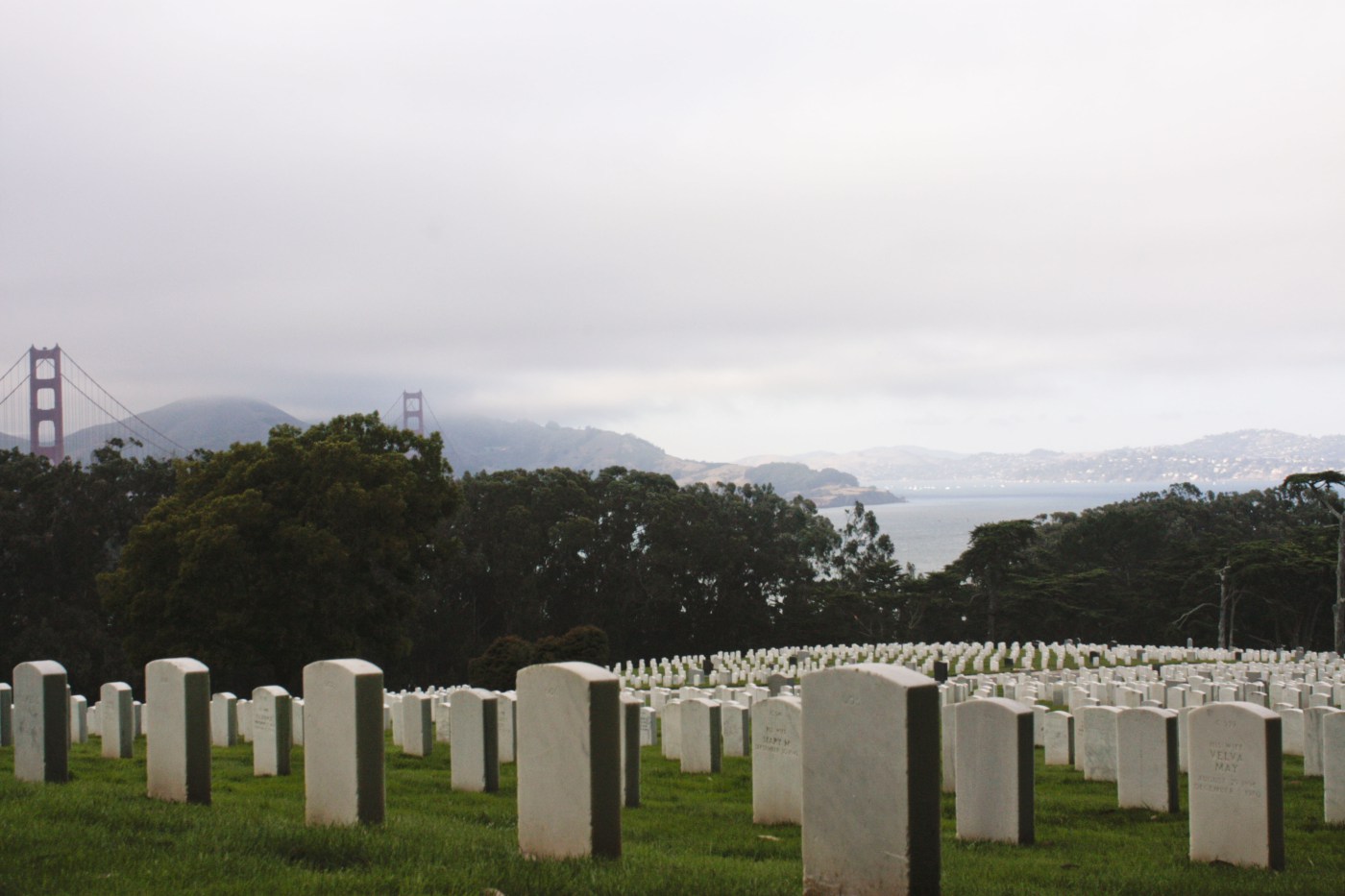
A cemetery has the opportunity to provided diverse slices of time, functioning “at full capacity when men arrive at a sort of absolute break with their traditional time” (Foucault 6). A cemetery functions as a cities connective tissue of sorts, equalizing men and...
by Melissa Perkinson | Jun 20, 2014 | Conditions
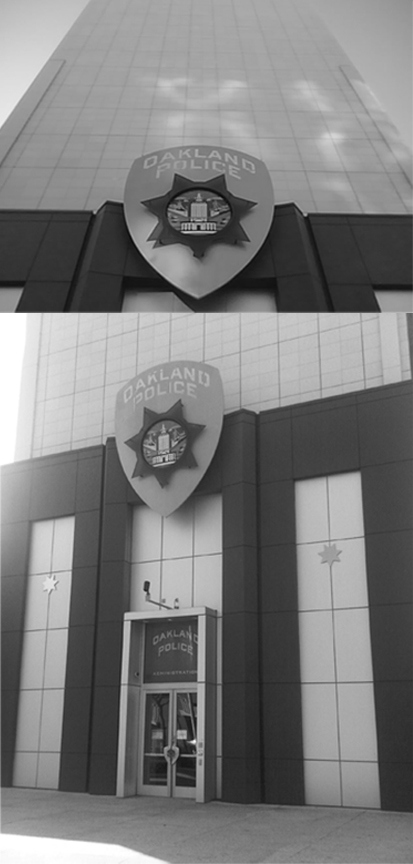
“Heterotopias always presuppose a system of opening and closing that both isolates them and makes them penetrable” (Foucault 7). While this is a stretch from Foucault’s definition of a heterotopia, similar principles apply. Here we can see a monolithic public...
by Melissa Perkinson | Jun 20, 2014 | Conditions
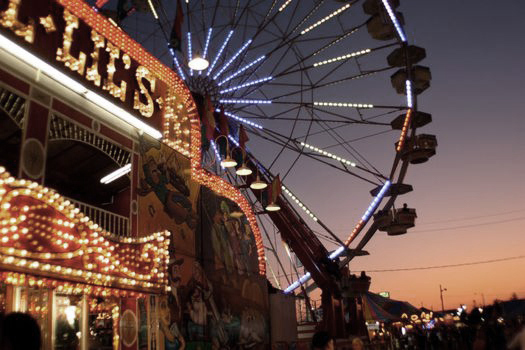
The festival is a temporal, fantastical holiday accommodated on a forgotten block or in the outskirts of a city. It allows for opposition between permanence and the mobile, between the everyday and the spectacle, between the reserved and spontaneous self-expresser....
by Melissa Perkinson | Jun 20, 2014 | Conditions
Foucault begins his lecture by describing the loss of the hierarchical assemblage of places seen most prolifically in the Middle Ages. Most specifically referencing the cemetery, encompassed by both a series of hierarchies both within the cemetery and within the...